Rugby Union Arbitrage Betting Opportunities

Why Arbitrage Exists in Rugby Union

Bookmakers treat a scrum like a roulette wheel, and the odds drift like a wind‑blown scarf. Look: when a tier‑two nation faces a Top Six side, one book will splash a 5.5% profit line while another offers a 4.2% line. The space between them is a cash‑cow waiting to be milked.

Spotting the Split

Here is the deal: you need a sharp eye for the discrepancy between the outright winner market and the first‑try scorer market. The latter often lags by a few minutes, and that lag creates a micro‑arbitrage window. Imagine a 20‑second gap where the odds on a try-scorer are still at 18.0, while the match‑winner odds have already shifted to 1.85 for the underdog. Plug those two together, and you’ve got an instant 2% guaranteed return.

Timing the Market

By the way, arbitrage isn’t a static game; it’s a sprint. Sudden injuries, weather updates, and line‑up announcements can swing odds like a pendulum. A key player pulled out minutes before kickoff? One bookmaker slashes the handicap, another lags. That lag is your entry point. And here is why you must act within seconds: the first tick after a change can wipe out a 3% edge in a heartbeat.

Key Markets and Odds to Watch

Focus on the “Match Winner” and “Handicap” lines, but also keep an eye on “Total Points Over/Under”. The over/under market reacts slower to scoring bursts, especially in the second half. A try in the 60th minute can leave the total points line stale for 30 seconds, leaving an arbitrage seed. If you pair a 2.20 over bet with a 1.80 under from a rival book, the spread can net you a safe 1.7% profit.

Match Winner vs. Handicap

Don’t get tunnel‑visioned on one market. The handicap odds often offer deeper value because they reflect a bookmaker’s confidence in the margin, not just the win. A 7‑point handicap at 2.10 on one site versus a 6‑point at 1.90 on another is a classic arbitrage play. The trick is to balance the stakes so the implied probabilities line up perfectly, guaranteeing a profit regardless of the outcome.

Tools and Tactics

Manual hunting is a relic. You need a live scanner that flags odds gaps the moment they appear. Look for platforms that push real‑time alerts to your phone; a 0.5‑second delay can be the difference between profit and loss. The best scanners also aggregate odds from boutique sportsbooks, where the biggest inefficiencies hide.

Live Scanners and Alerts

Set up filters for the specific leagues you follow—Premiership, Top 14, Super Rugby. Exclude the major bookmakers that adjust instantly; focus on the niche operators that lag. When an alert fires, verify the odds manually, then place both legs within the same betting window. The whole process should take under 10 seconds if you’ve rehearsed the routine.

Bankroll Management

Never stake more than 2% of your total bankroll on a single arbitrage. A series of small, guaranteed wins builds a snowball effect without exposing you to bookmaker bans. Rotate your accounts, keep the activity low‑key, and watch for patterns of restriction. The smarter you are with bankroll, the longer you stay in the game.

And finally, check the odds on rugby-union-betting.com for hidden value before you lock in any trade. Keep the scanner active, the stakes tight, and the profit will follow. Grab a live feed and place the first arbitrage now.

How to Detect Value in Pre-Season Invitational Tournaments

Spotting the Hidden Gems

Look: the early‑season hype is a smoke‑filled room, and the real money lies in the quiet corners. Some teams walk onto the stage fresh, others limp with lingering fatigue from the off‑season grind. The trick is to separate the hype‑driven hype from the hard‑earned skill. Scan the roster changes like a detective reads a crime scene—notice who’s missing, who’s arrived, and how the chemistry recalibrates mid‑match. A captain returning from injury can be a game‑changer, but only if the team’s tactics accommodate his style. That’s where the value hides, in the mismatch between public perception and on‑paper reality.

Understanding the Odds Matrix

And here is why. Odds aren’t just numbers; they’re a language spoken by bookmakers, bettors, and insiders. When a venue is a “home” for a particular roster, the odds compress, squeezing profit out of the market. But pre‑season tournaments often scramble that home advantage—neutral venues, unfamiliar crowds, and experimental line‑ups make the odds wobble. Look for lines that swing dramatically after the first few matches; those movements signal sharp money slipping in. If the odds drop from +250 to +150 on a team that barely scrapes a win, the market is adjusting to new information faster than the casual observer.

Market Overreaction

By the way, the crowd can overreact to a single upset. A lower‑seeded squad pulls a surprise victory, the bookmakers panic, and the odds on that team balloon. That’s a classic over‑reaction trap—short‑term sentiment blinds the longer‑term assessment. Slice through the noise by checking the depth of the win: did they dominate possession, or snatch a lucky goal? The former hints at sustainable strength, the latter is a flash in the pan. If the latter, the inflated odds are a false promise.

Form vs. Fixture

Look: form is a fickle beast, especially when the schedule is a patchwork of back‑to‑back games and long rests. A squad that dazzles on a Monday may crumble on a Thursday due to travel fatigue. Cross‑reference the match calendar with performance metrics—player stamina, substitution patterns, even travel distance. When you spot a team playing a light schedule while others battle a grueling slate, you’ve uncovered a hidden edge. The savvy bettor banks on the rested side, not the headline act.

Tools and Tactics

Here is the deal: combine statistical models with a dose of street‑level intel. Use publicly available data to build a baseline expected goals (xG) model; then pepper it with insider whispers from forums, social media, and even team press releases. When a star player mentions “we’re testing a new formation,” that’s a clue that odds may not yet reflect the upcoming shift. Pair that with real‑time line tracking tools—most betting platforms provide a history of odds changes. Spot the spikes, and you’ve got the green light for value betting. For a practical guide, swing by bet-tournament.com and check the pre‑season odds feed.

Last move: set a threshold. If the implied probability of a bet is five percent lower than your model’s estimate, place the wager. No excuses, no second‑guessing, just disciplined execution. Go.

Darts Wetten Guide für Anfänger PDF

Problem: Du hast keinen Plan, wo du starten sollst

Du sitzt vor dem Bildschirm, das Dartboard blinkt, und plötzlich willst du dein Wissen in Geld umwandeln. Stattdessen starrst du auf leere Statistiken und fragst dich, ob du überhaupt eine Chance hast. Kurz gesagt: Fehlender Fahrplan. Und das kostet dich Zeit, Nerven, und am Ende auch Geld.

Was das PDF liefert – kein Firlefanz

Einmal geöffnet, zeigt dir das Dokument sofort die Basics: Spielregeln, Terminologie, typische Wettmärkte. Dann kommt der Profi‑Kick – Analyse‑Tools, die sogar ein Anfänger verstehen kann. Du bekommst Checklisten für jede Runde, von 501 bis 301, und ein Glossar, das jedes jargon‑verfangene Wort erklärt. Kein Schnickschnack, nur handfeste Infos.

Der Aufbau: Schnell, knapp, effektiv

Erster Teil: Überblick über die wichtigsten Turniere – World Championship, Premier League, und die lokalen Cups. Zweiter Teil: Statistische Eckdaten, die du für deine ersten Wetten brauchst. Drittens: Risikomanagement – wie du deine Bankroll schützt, ohne dich zu langweilen. Und vierts: Bonus‑Kapitel mit Tipps für Live‑Wetten, wo das Geld wirklich fließt.

Wie du das PDF sofort nutzt

Öffne das Dokument, drucke das Kapitel „Erste Wette“ aus und platzier es neben deinem Laptop. Während du an deinem ersten Match sitzt, blätterst du kurz, nimmst den Tipp, und schießt los. Das Ganze ist so gestaltet, dass du nicht erst das ganze Buch lesen musst, sondern sofort handeln kannst.

Der Link zum Download

Das komplette Handbuch bekommst du kostenfrei von darts-wetten.com. Dort klickst du, gibst deine E‑Mail ein, und zack – das PDF landet in deinem Postfach. Kein Abo, kein Schnickschnack, nur das, was du brauchst, um endlich zu wetten.

Deine ersten drei Wetten – Step‑by‑Step

Erstens: Setze 5 Euro auf den Favoriten im nächsten 501‑Match. Zweitens: Wähle ein Over/Under‑Spiel, bei dem du auf mehr als 12 Legs setzt. Drittens: Nutze das Live‑Feature, wenn das Spiel in die entscheidende Phase geht – hier ist das Risiko gering, die Auszahlung hoch. Jeder Tipp ist im PDF mit einer kurzen Erklärung versehen.

Warum du sofort starten solltest

Wetten ist kein Hobby, das du erst nach Monaten studieren solltest. Die Chancen verschieben sich jede Minute, und wenn du zu lange wartest, verpasst du den Zug. Das PDF gibt dir die Werkzeuge, die du brauchst, um sofort ins Spiel einzusteigen, ohne dich zu verheddern.

Letzter Tipp: Das Handeln schlägt das Denken

Du hast das PDF, du hast die Basics, jetzt ist es Zeit zu handeln. Setz deine erste 5‑Euro‑Wette und beobachte, wie die Zahlen sich drehen. Schnell, präzise, und ohne Ausreden. Wer jetzt nicht ansetzt, bleibt außen vor.

Winter Break Update

December was busy. Jan and Noah harvested the first phase of a new plant-soil feedback experiment. Superstar undergraduates Madeline, John, Alejandra, and Abbey produced first drafts of papers from their independent projects that we hope to edit for submission to peer-reviewed journals. Hannah, Noah, and Devon presented at the Annual Ecology and Evolution Grad Student Symposium — and Hannah earned 1st place for her talk (Congrats, Hannah!). Devon set-up her first experiment in the lab. Scott, Noah, and Hannah have all finished drafts of new papers. A visiting student, Kori Bohon, joined the lab and is finishing up experiments for her PhD. And, we had a great holiday party that was so good I forgot to take pictures. Hopefully everyone also enjoyed a break with family and friends!

Sweep!

Everyone in the lab (Jan, Hannah, Noah, Scott, and Devon) got good news from Texas EcoLab. With this funding, we will:

(1) Establish the first Texas-specific collection of AM fungi.

(2) Test how plant-herbivore interactions change across a precipitation gradient.

(3) Learn how precipitation influences interactions between plants and above- and below-ground microbial communities.

(4) Determine how abiotic stress influences interactions between native and non-native species.

(5) Examine how microbe-microbe interactions on plants are influenced by different environments.

Congratulations everyone!

A Busy Summer and Fall

A few highlights from the past few months:

Jan joined the lab as a postdoc this April to help with the climate and plant-soil feedback project. In addition to doing awesome work on the project, he’s already brainstorming lots of cool project ideas. Welcome Jan!

Devon joined the lab as a PhD student this August. She just submitted a proposal to the NSF GRFP and is helping mentor undergrads in the lab on statistical analyses. Welcome Devon!

Hannah presented her work at the North American Prairie Conference and the Ecological Society of America meeting, all while she was managing experiments for her dissertation and fun side projects.

Scott presented his work at the Ecological Society of America meeting. He received 2nd place for his poster from the Restoration Ecology Section. Congrats, Scott!

Noah and Hannah were both awarded grants from the Texas EcoLab program.

Noah and Scott were both awarded grants from Sigma Xi.

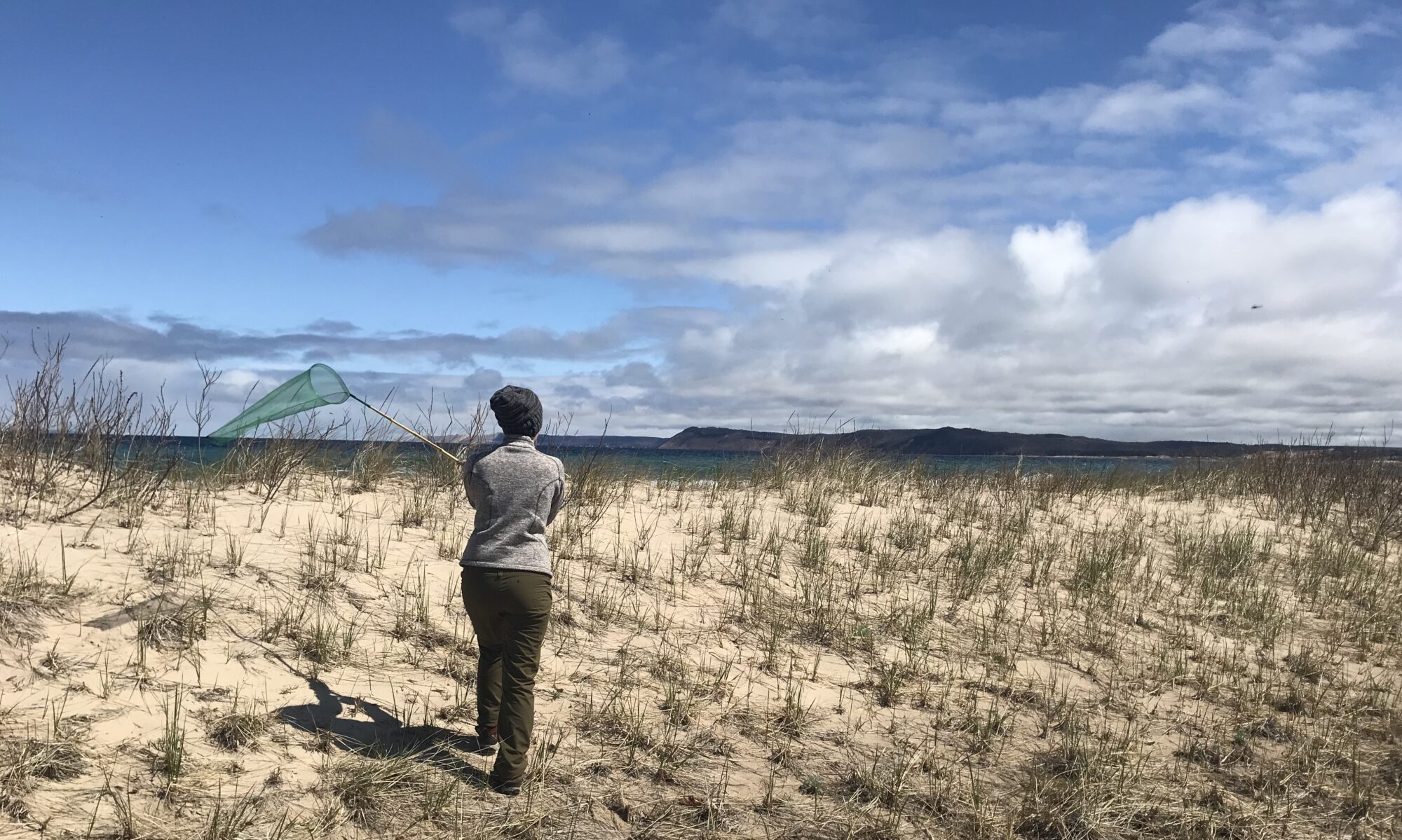
The lab went on a trip to the field sites in Michigan. We collected data on the long-term biodiversity experiment and a ton of midges for Alejandra’s independent project.

Austin and Hoang started graduate programs this fall. We miss them, but I can’t wait to see what they accomplish as graduate students!

Madeline received a Summer Undergraduate Research Fellowship for her work on fungal endophytes and she helped develop a new outreach program that debuted at an event at Lady Bird Johnson Wildflower Center. She also just submitted a proposal to the NSF GRFP.

Antonio received a Provosts Undergraduate Research Scholarship for his work testing how above- and below-ground microbes influence plant responses to precipitation.

Congrats everyone!

We’re looking for a postdoc!

The Crawford Lab anticipates hiring a postdoctoral researcher in plant-microbe interactions in the Department of Biology and Biochemistry at the University of Houston.

The postdoctoral researcher will conduct research on an NSF-funded project testing how climate influences plant-soil feedback in native Texas grasslands. This work will include both greenhouse and field experiments, as well as next-generation sequencing of soil communities. In addition to this project, the postdoctoral researcher will be encouraged to develop their own ideas and projects on plant-microbe interactions.

Candidates must have a PhD in ecology or a related field and experience conducting research with plants and/or microbes. Other important qualifications are a background in statistical methods, a strong work ethic, problem-solving and time management skills, and a track record of publications. A background in managing large field experiments and experience with molecular techniques and bioinformatics is desirable.

This is a one year position with an expectation for renewal provided satisfactory performance. The start date is flexible, but an ideal candidate would be able to start in Spring or Summer 2019.

To apply, please send your CV (including contact information for 3 references) along with a short description of your previous research experience and your interest in this position to Dr. Kerri Crawford (kmcrawford3@uh.edu). Review of applications will begin immediately and continue until filled.

***I will be at ESA. Please contact me if you would like to chat during the meeting.

UH National Commercial

Digital advertising is a great way to introduce new people to your products or services. Before you set up a digital advertising campaign, make sure that you have proper tracking placed on your website so that you can collect data on customer activity and measure performance. The more you can learn about your customers, the better you will be able to provide them with services and products they need. There are a few different options when choosing how to advertise online. Considering these different choices can help you create a specific digital advertising plan that works for your company.

Leveraging social media to promote your business can help improve your brand personality, engage with customers and communicate product benefits or offers. Through social media, you can make announcements, interact with customers and advertise deals without hiring a web development team. Many social media platforms now offer marketplaces on their platform where transactions can occur without leaving the app.

Start by creating a profile (account) for your business, choosing words carefully to describe your business. Stay active by posting often and answering consumer’s questions quickly. This will help them begin to trust and believe in your brand. Other tips to keep in mind:

Decide how often you want to post. If you post too frequently you may risk becoming a nuisance, while not posting enough can make your audience lose interest. To begin, try posting weekly. Use SocialBoosting to get more engagement in your content to have a bigger audience, If people are liking and engaging with your posts, begin to post more often.
Consider your brand’s voice, or the type of words you use to connect with your customers. Is it authentic, friendly, formal, down-to-earth or business-like? Keep it consistent and make sure it lines up with how you talk about your company on other platforms. Create a dialogue with customers by sharing your knowledge, asking for opinions and posting responses to others’ ideas and comments.

[youtube https://www.youtube.com/watch?v=OgodQbKHCsQ?rel=0&w=560&h=315]