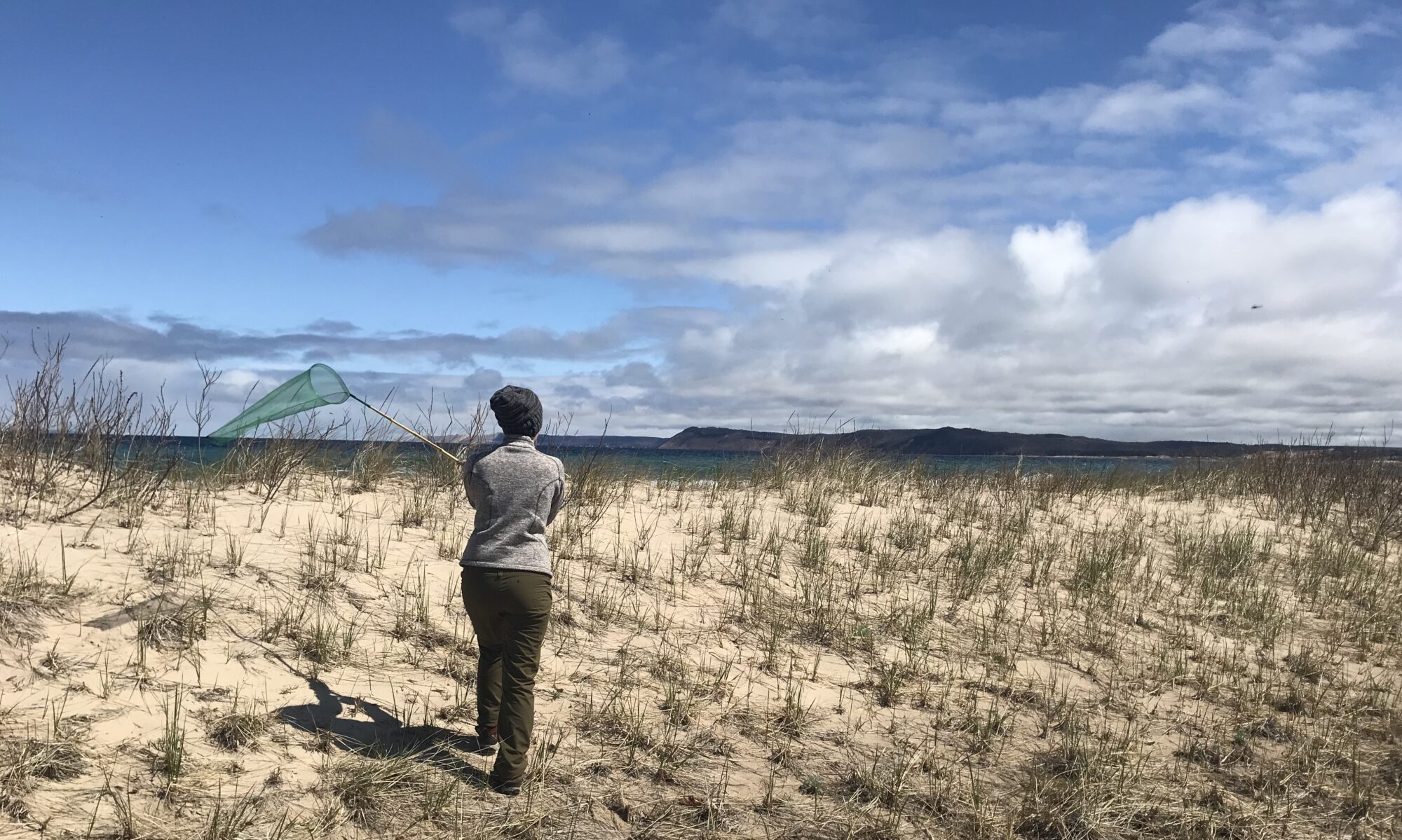
Global change, plant-microbe interactions, and plant community structure
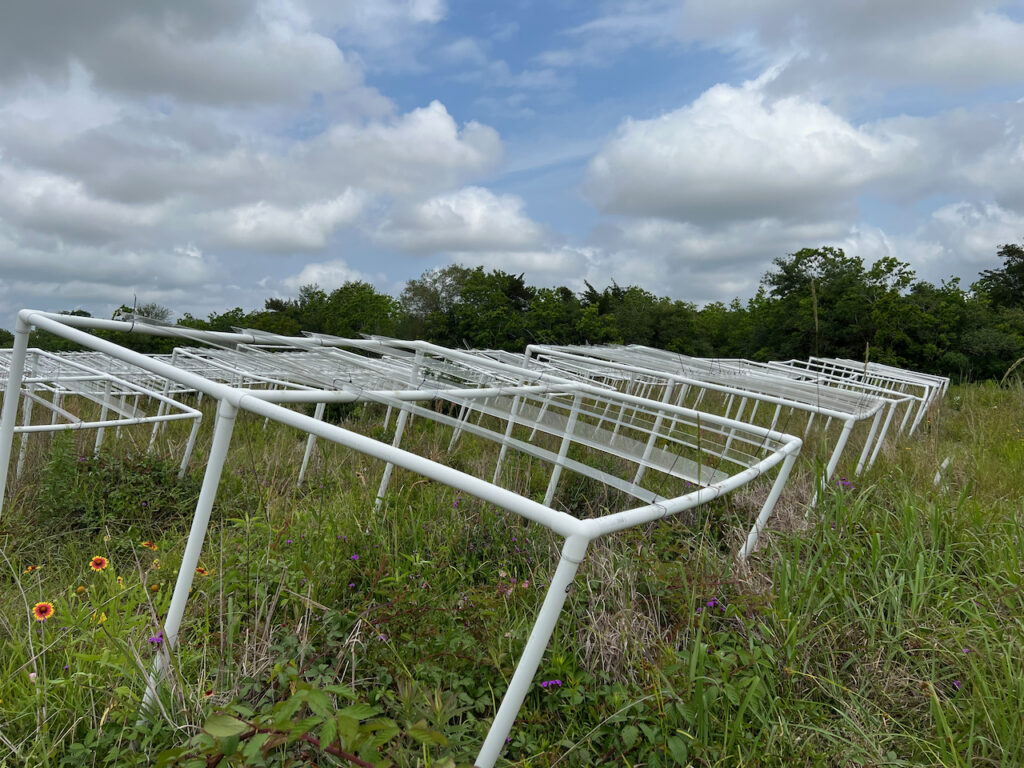
We are testing how climate change will influence plant community structure through changes in plant-microbe interactions. Interactions between plants and microbes are key determinants of plant community structure, and plant-soil feedback theory has provided a useful framework for scaling-up plant-microbe interactions to explain patterns of plant community composition and dynamics. Plant-soil feedbacks occur when plant species cultivate species-specific soil microbial communities that, in turn, differentially influence conspecific and heterospecific plant performance. Importantly, negative plant-soil feedback promotes coexistence among competing plant species through negative density dependence. In an NSF-supported project, we are testing how climate change will influence plant-soil feedbacks, whether changes in plant-soil feedbacks predict changes in plant community composition, and how soil legacy effects constrain climate effects on plant-soil feedbacks.
Intraspecific variation and plant-microbe interactions
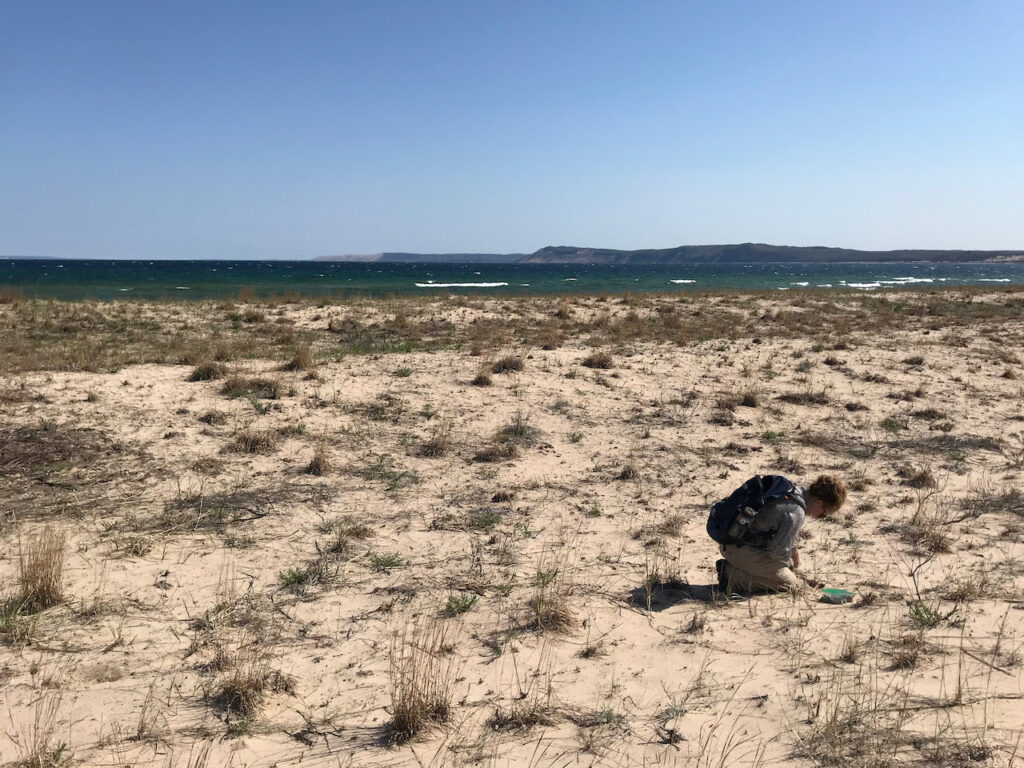
By altering intraspecific variation within foundational plant species, biodiversity loss and climate change may have extended consequences on communities and ecosystems. In NSF funded research, my lab is testing how plant sex (in dioecious plant species) structures host-associated microbial communities, what the consequences of climate change may be for host-associated microbial communities, and how sex-specific microbial communities feedback to influence interactions between male and female plants. Thanks to a small grant from the University of Michigan Biological Station, we are also starting new work on the sand dunes surrounding Lake Michigan to explore how intraspecific variation within a dominant grass species influences plant-microbe interactions.
Plant-microbe interactions and ecological restoration
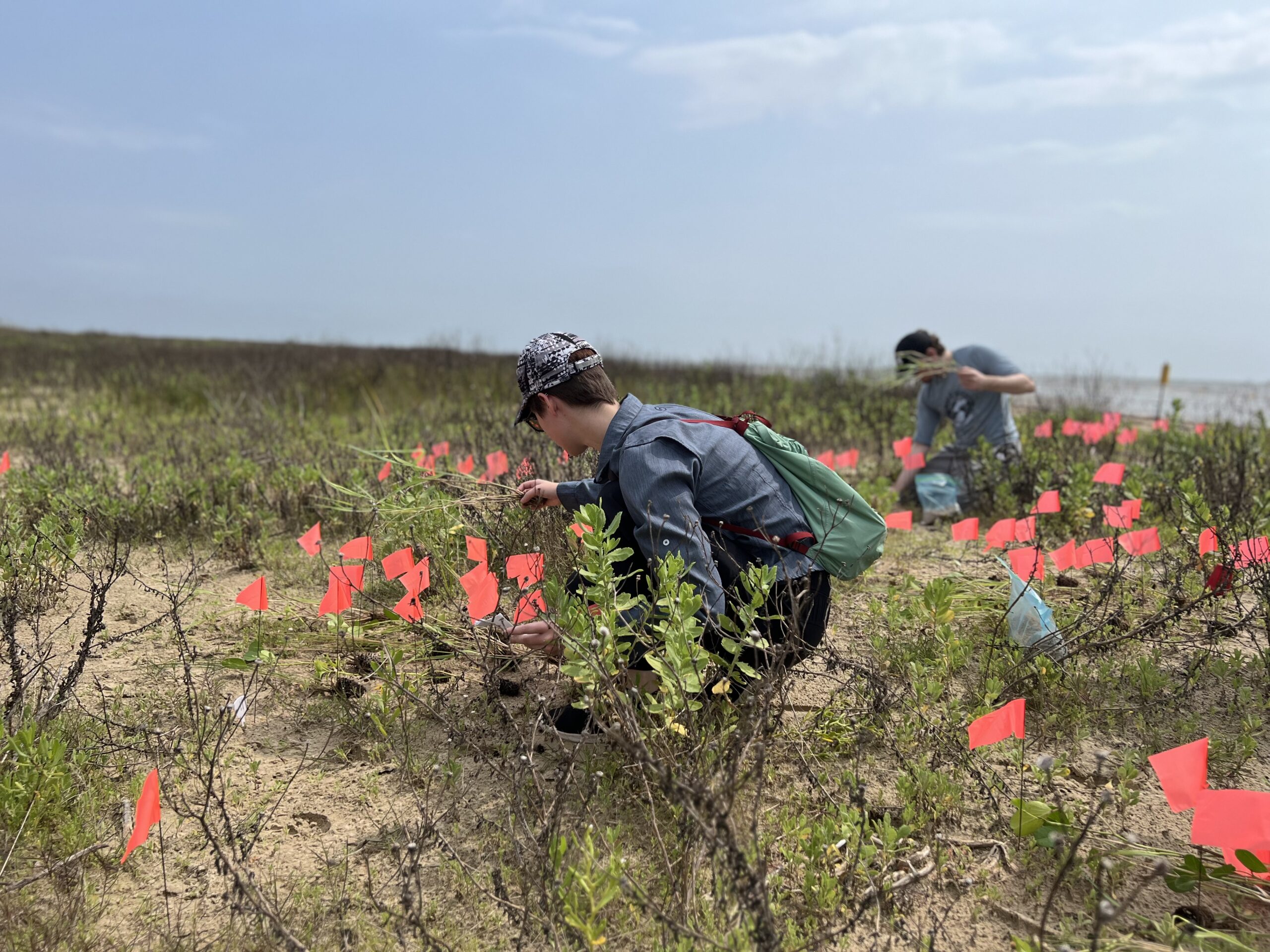
Soil microbial communities are sensitive to disturbances, and degraded ecosystems often have less diverse and abundant soil microbes than undisturbed ecosystems. Despite their importance for community processes and ecosystem functioning, soil microbes are rarely considered during ecological restorations. With funding from NOAA’s Texas Sea Grant, we are testing the utility of using native soil inoculum in coastal dune restorations. So far, we’ve found that the addition of native soil microbes to experimental restorations increased plant diversity and soil stability. However, the effect of microbes on dune restorations likely depends on the abiotic context and the origin of the soil microbial community. Now, we are testing whether local adaptation in microbial communities plays an important role in determining restoration outcomes using a series of experiments along Texas’s Gulf Coast.